Digital Forensics vs. Cybersecurity: What’s the Difference and Which Should You Study?
May 04, 2026
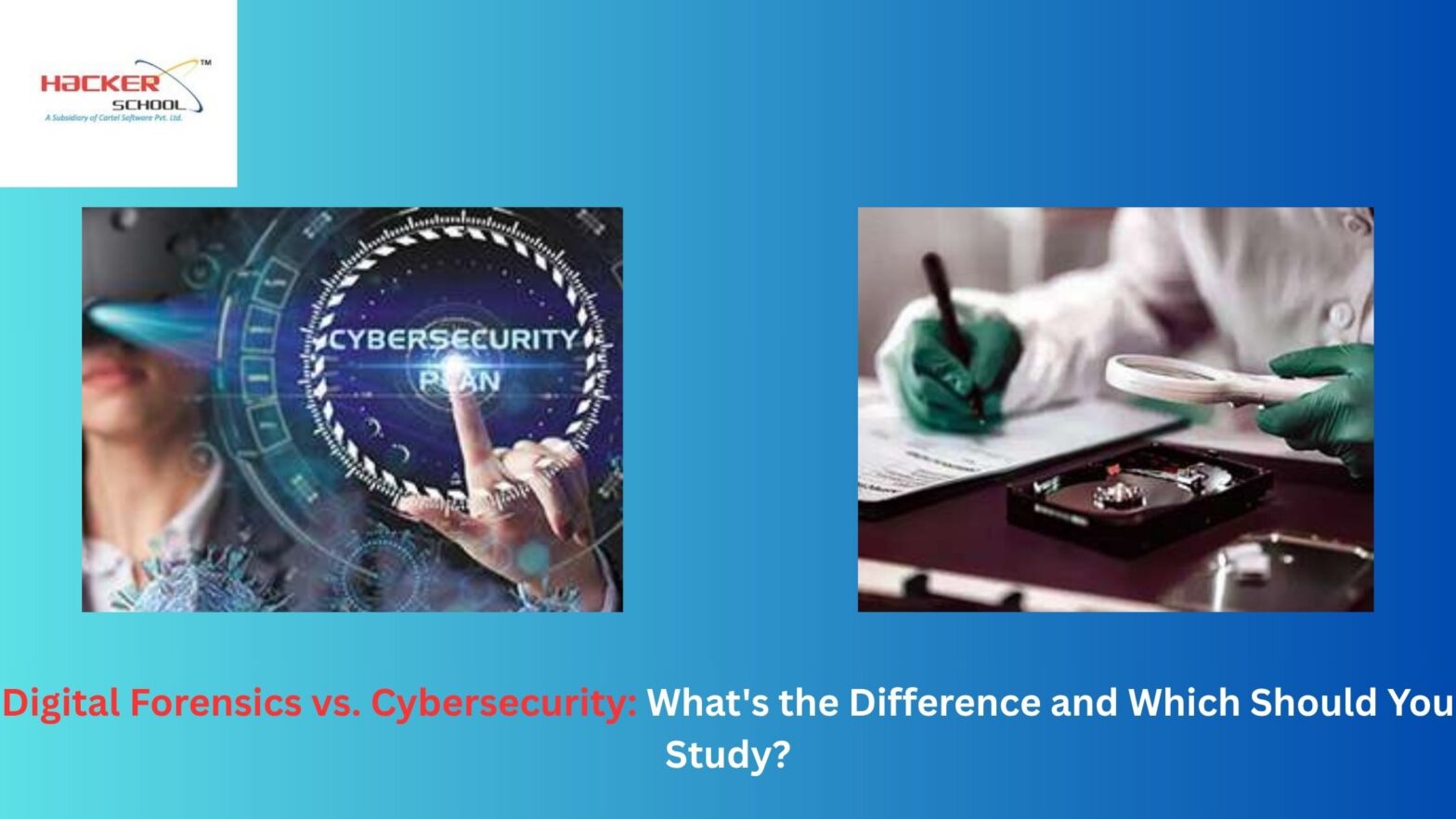
The digital industry is experiencing steady demand for skilled professionals. With the rise in cyber threats, businesses are investing more in securing their networks and analyzing cybercrime. Here, two key disciplines emerge - digital forensics and cybersecurity. Although they overlap, they have distinct objectives and require distinct skills.
Knowing the difference between the two can help you make a career decision, particularly if you are looking for a cyber forensic course or
cyber security course.
What is Cybersecurity?
Cybersecurity is about defending systems, networks, and data from cyber attacks. Its primary objective is prevention - to stop attacks from occurring or to mitigate their effects.
Cybersecurity experts aim to detect vulnerabilities, apply security controls, and monitor for anomalies. This includes tasks such as:
- Securing networks and servers
- Protecting sensitive data
- Preventing hacking attempts
- Conducting risk assessments
- Monitoring real-time threats
Cybersecurity professionals use security tools such as firewalls, intrusion detection systems, and encryption to protect digital spaces. Cybersecurity training is critical in developing the skills to understand and respond to threats.
What is Digital Forensics?
Digital forensics course, however, is used in response to a cybersecurity attack. It focuses on the investigation and analysis of digital evidence to determine what occurred, how it occurred, and by whom.
Digital forensics is more reactive than proactive. Digital forensics practitioners acquire, preserve, and analyze data from sources such as computers, phones, and servers.
Key responsibilities include:
- Retrieving deleted and concealed information
- Examining logs and trails
- Examining cybercrimes and fraud
- Presenting evidence in court
- Identifying the origin of cyber attacks
In a Digital forensics course, students learn about evidence preservation, data recovery, and forensic tools and techniques used in practical cases.
How Digital Forensics is Different from Cybersecurity
While both involve computer security, their primary emphases differ.
- Purpose
Cybersecurity is proactive. It seeks to thwart cyberattacks and protect against threats.
Digital forensics is reactive. It deals with responding to incidents.
- Nature of Work
Cybersecurity experts actively manage systems, maintain security measures, and ensure their security. Digital forensics analysts comb through data after an incident, sifting through evidence to gain insight into the attack.
- Skill Sets Required
Cybersecurity skills include network security, ethical hacking, risk management, and system administration. Computer forensics requires expertise in data analysis, evidence collection, legal processes, and forensic software.
- Tools and Techniques
Cybersecurity employs antivirus software, firewalls, penetration testing tools, and monitoring tools. Cyber forensics uses tools for data extraction, disk cloning, and forensic analysis.
- Career Roles
Cybersecurity roles include:
- Security Analyst
- Ethical Hacker
- Network Security Engineer
- Security Consultant
Computer forensics jobs include:
- Forensic Analyst
- Cybercrime Investigator
- Digital Evidence Specialist
- Incident Response Expert
Similarities Between the Two Fields
Digital forensics and cybersecurity are intimately related. They involve the security of digital assets and an understanding of computers and networking.
Some common aspects include:
- Understanding of operating systems and networking
- Knowledge of cyber risks and attacks
- Knowledge of security tools and technologies
- Learning to keep up with threats
Many companies have both teams. Cybersecurity experts stop attacks, and digital forensics experts respond to attacks.
Which One Should Be Studied?
Decisions about digital forensics vs cybersecurity depend on interests, abilities, and career aspirations.
Choose Cybersecurity If:
- Have an interest in system security and prevention
- Prefer to work in real-time environments
- Want to manage threats and solve problems
- Interested in a career as an ethical hacker or network security professional
If you are interested in being on the front line of cybersecurity, then a cybersecurity course is for you.
If you want to be a Digital Forensics expert:
- Enjoy investigation and analysis
- Like puzzles and recovering information
- I like to deal with evidence and law
- Interested in cybercrime investigations
A course in cyber forensics is ideal for those looking to specialize in analyzing digital evidence and solving cyber crimes.
Career Opportunities and Growth
Cybersecurity and cyber forensics are promising career paths given the rise in global cyber threats.
Cybersecurity experts are in high demand across industries such as finance, healthcare, IT, and government. Careers can progress to senior roles such as Security Architect or Chief Information Security Officer.
Cyber forensics professionals are sought after by law enforcement, corporate investigation groups, and law offices. With increasing cyber threats, the demand for cyber investigators is on the rise.
Salary and Demand
Both forensics and cybersecurity positions are well-paid, but cybersecurity may offer more opportunities because it's preventative work.
But digital forensics experts are also in high demand, particularly for legal purposes and major cyber attacks. Both areas of expertise are in demand, so either choice offers a secure and satisfying career.
Can Both Be Done?
Yes, many opt to develop skills in both fields. Gaining cybersecurity and Digital forensics courses can be beneficial.
For example:
- A security analyst with forensic skills can understand the attack.
- A security expert with forensic knowledge can spot vulnerabilities.
Having the best of both worlds provides more job opportunities and versatility.
Final Thoughts
Cybersecurity and digital forensics courses go hand in hand. One is about preventing cyber attacks, the other is about investigating them. They are both essential for online security.
Deciding between digital forensics and cybersecurity courses comes down to career goals. If you're more interested in protecting systems and staying up to date on the latest threats, you might find cybersecurity more appealing. People interested in tracking down evidence and solving cybercrimes may prefer a career in digital forensics.
If you are interested in pursuing a career in this field, a cybersecurity or forensic course is a great place to start.